When summer arrives, our students are ready for a break, and honestly, they’ve earned it! But we also know that a little learning throughout the summer can help students hold onto important skills and feel more confident when they head back to school.
The good news? Summer writing doesn’t have to feel like schoolwork. With engaging prompts, silly stories, creative discussions, and hands-on projects, students can continue building writing skills while having fun.
Here are four summer writing activities that help keep young writers engaged all season long.

1. Create silly summer sentences
One of the easiest ways to get reluctant writers excited about writing is to make it fun and a little silly.
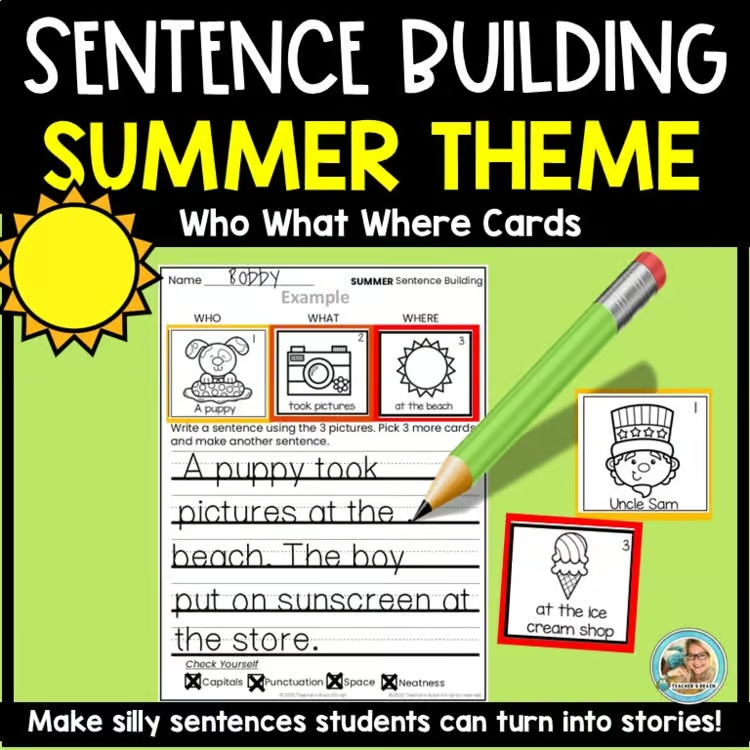
Sentence-building activities encourage students to practice grammar, sentence structure, and creativity without the pressure of writing an entire story. Challenge students to mix and match different characters, actions, and settings to create hilarious summer-themed sentences.
The Summer Sentence Building Writing Activity includes Who, What, and Where cards that allow students to create endless combinations of silly summer stories. It’s perfect for literacy centers, summer learning packets, or family learning time at home.
2. Spark conversations with “Would You Rather” questions
Sometimes students struggle with writing because they don’t know what to write about. That’s where engaging discussion prompts can help.
“Would You Rather” questions naturally encourage students to explain their thinking, defend their opinions, and support their answers with details. Plus, kids love debating fun summer scenarios!
My Would You Rather Summer-Themed Google Slides resource gives students plenty of entertaining prompts that inspire discussion and writing. Whether used in the classroom, summer school, or at home, these prompts help students build critical thinking and opinion-writing skills in a fun way.

3. Keep a summer writing journal
Summer adventures provide endless inspiration for writing. From vacations and pool days to family cookouts and neighborhood adventures, students have plenty of experiences worth writing about!
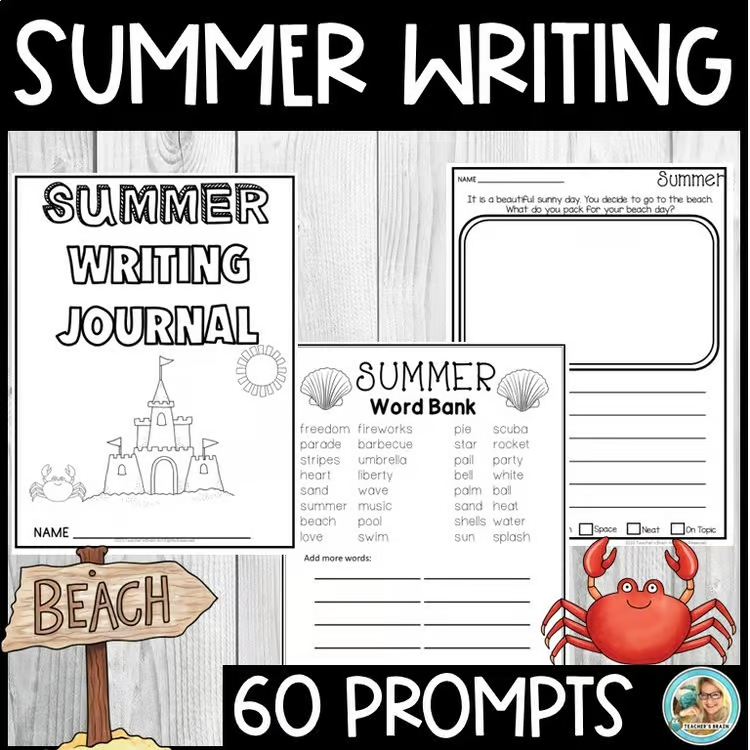
Encouraging students to spend just a few minutes each day journaling can help them maintain writing fluency and develop confidence as writers. Regular writing practice also helps prevent summer learning loss while giving students an opportunity to reflect on their experiences. Research and education experts consistently recommend writing prompts and journaling as simple ways to keep literacy skills sharp during summer break.
My Summer Writing Prompts for First Grade and Second Grade resource provides engaging narrative, opinion, and creative writing prompts that make daily writing practice easy and enjoyable.
4. Combine writing with summer crafts
Many students are more excited to write when there’s a creative project involved. Craft-and-writing activities allow students to express themselves through both art and writing while creating a keepsake they can be proud of.
Summer-themed crafts can also make writing feel less intimidating because students have a visual starting point for their ideas. Whether they’re writing about a sunny day, a favorite summer memory, or an imaginary beach adventure, the craft helps spark creativity.
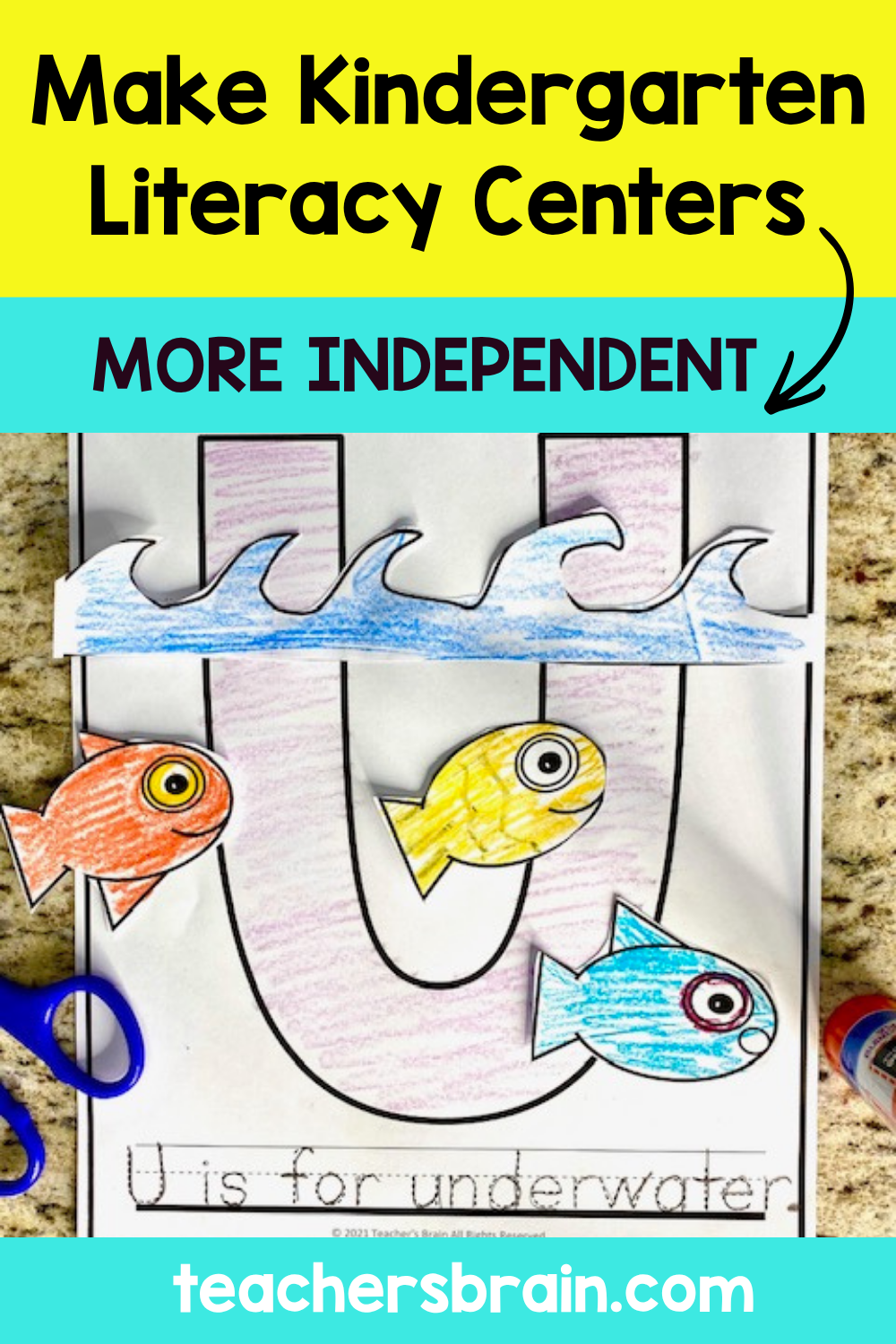
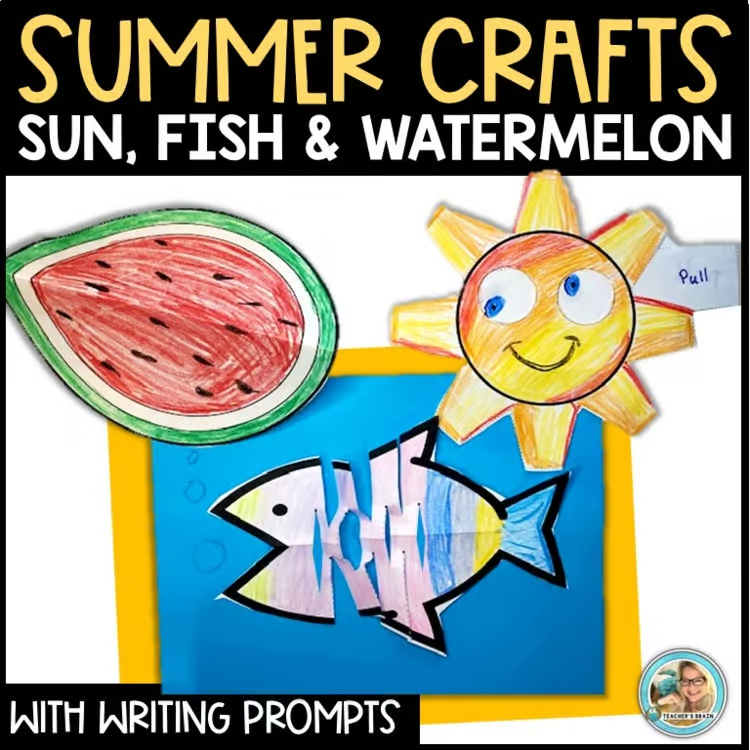
My Summer Crafts Bundle featuring a sun, fish, and watermelon craft includes writing components that encourage students to practice their writing while creating colorful summer projects.
Keep writing fun all summer long
The goal of summer writing isn’t perfection, it’s simply helping students continue thinking, creating, and expressing themselves through words. By offering engaging activities that feel more like play than work, we can help students maintain important writing skills while still enjoying everything summer has to offer.If you want more writing activities, check out my post here for some fun writing prompts.