Building strong readers begins before students ever read words on a page. They first need to hear, identify, and work with the individual sounds in spoken words.
However, finding phonemic awareness activities for every skill level can take a lot of planning. It becomes even more challenging when some students are working on rhyming and beginning sounds while others are ready for phoneme deletion and substitution.
I love using a consistent system that makes it easier to teach, assess, and differentiate these important early literacy skills.
What Is Phonemic Awareness?
Phonemic awareness is the ability to hear and manipulate the individual sounds, or phonemes, in spoken words.
For example, students use phonemic awareness when they blend the sounds /m/ /a/ /p/ to make “map” or segment “fish” into its individual sounds.
Phonological awareness is a broader term that includes rhyming, syllables, onset and rime, and phonemic awareness. Both phonological and phonemic awareness help students recognize and work with the sound structures of language.
These foundational skills prepare students for phonics, decoding, spelling, and future reading success.
Essential Phonemic Awareness Skills
Strong phonemic awareness instruction progresses from simpler listening activities to more advanced sound manipulation.
Students may practice:
- Recognizing and producing rhymes
- Identifying beginning, medial, and ending sounds
- Counting and separating syllables
- Blending individual sounds into words
- Segmenting words into individual sounds
- Isolating specific phonemes
- Matching words with the same sounds
- Deleting or substituting sounds
- Working with onset and rime
I know it can be difficult to create separate activities for every one of these skills. Having them organized in one place makes it much easier to give students the exact practice they need.
Differentiate Phonemic Awareness Instruction
Students do not all enter the classroom with the same level of sound awareness. One child may confidently blend sounds but struggle with segmentation. Another may need additional practice hearing beginning and ending sounds.
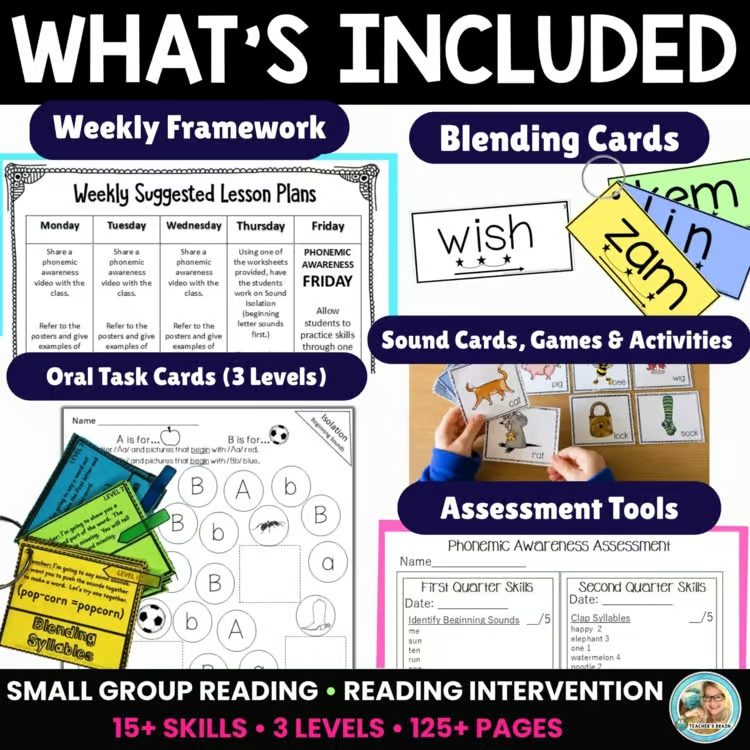
The Phonological and Phonemic Awareness Activities and Assessments include three levels of differentiation, making it easier to meet students where they are.
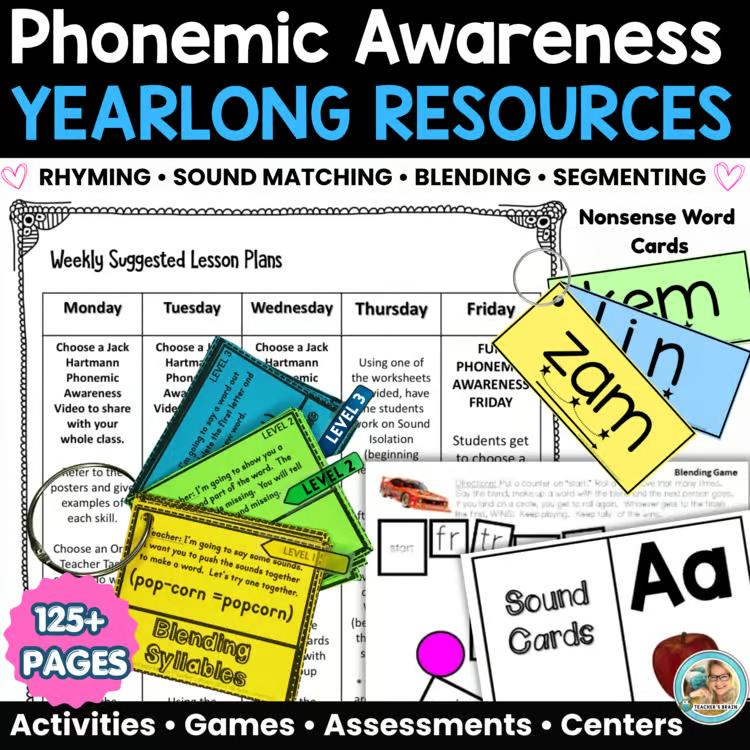
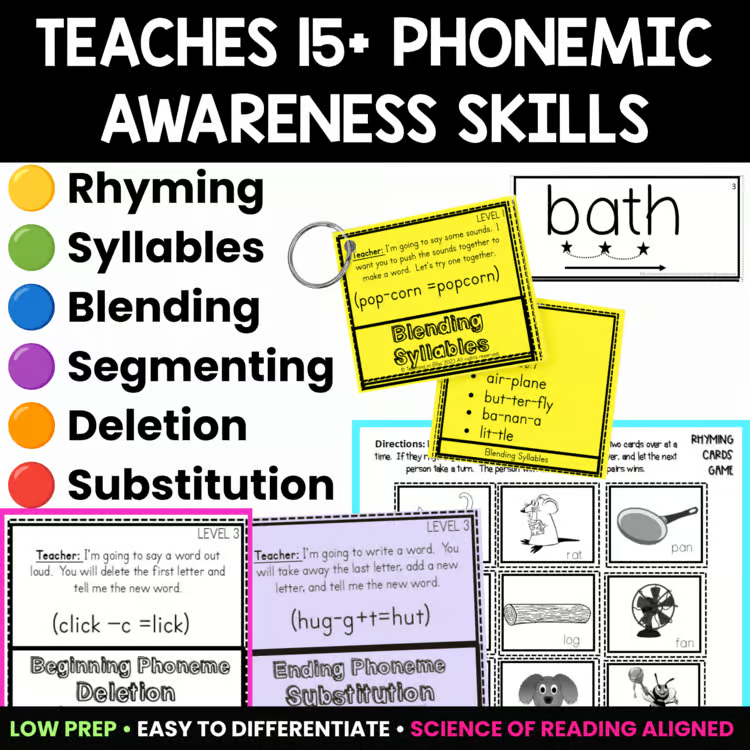
With more than 125 activities covering over 15 essential skills, teachers can choose appropriate practice for whole-group lessons, small groups, literacy centers, RTI, or reading intervention.
The resource also includes:
- Weekly lesson plans
- Sound cards and visual supports
- Posters for direct instruction
- Hands-on phonemic awareness games
- Independent practice activities
- Progress-monitoring assessments
This gives you a clear path for introducing skills, providing practice, and checking student growth throughout the year.
Use Assessment to Guide Your Lessons
A phonemic awareness assessment can help you identify which skills students have mastered and where they need additional support.
Instead of guessing what to teach next, you can use the included assessments and progress-monitoring tools to plan targeted instruction. I especially love this for intervention groups because each student can receive practice based on a specific need.
You can also reassess students throughout the year to monitor progress and adjust your groups as their skills develop.
Frequently Asked Questions
The resource covers more than 15 skills, including rhyming, syllables, beginning, medial, and ending sounds, blending, segmenting, phoneme isolation, onset and rime, auditory discrimination, and advanced skills such as phoneme deletion and substitution.
The activities are ideal for kindergarten and first grade. They can also support second-grade intervention, special education, homeschool instruction, and struggling readers.
Yes! Use them for whole-group instruction, small-group reading, literacy centers, RTI, intervention, or independent practice.
With ready-to-use lesson plans, differentiated activities, and assessments, you can strengthen phonemic awareness without spending hours creating new materials. Explore the complete yearlong phonemic awareness resource here.
Looking for other ways to build strong readers? Check out my favorite vocabulary activities here!